



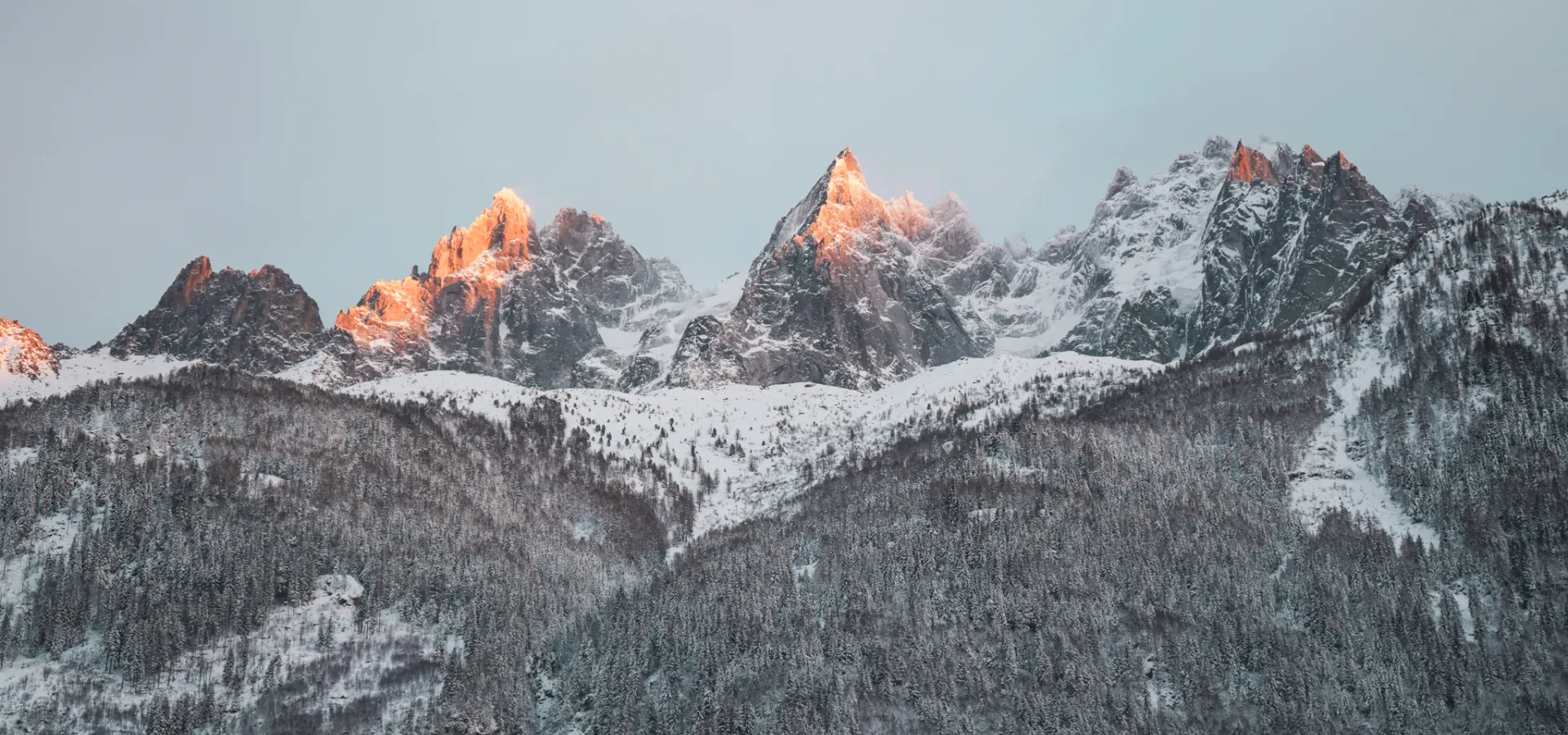
Chamonix, the birthplace of mountaineering and the Winter Olympics
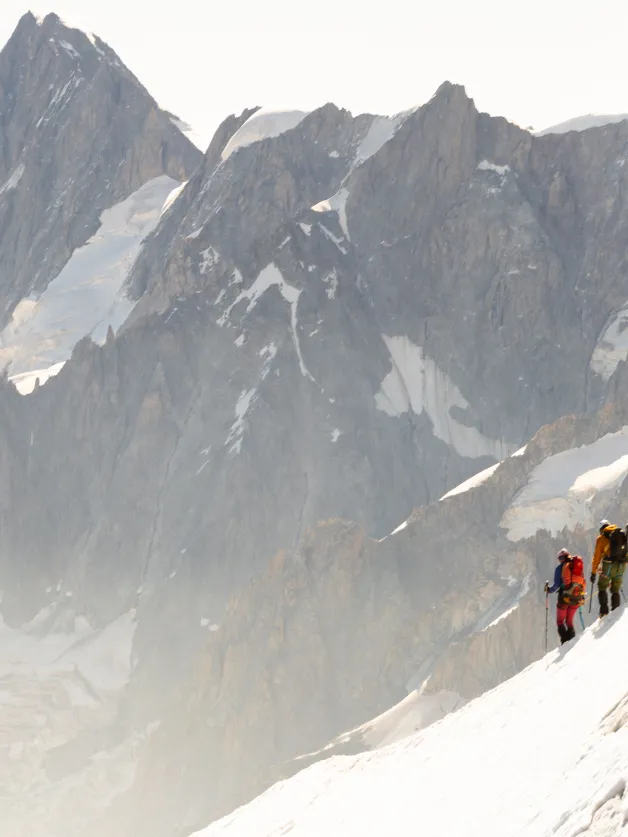
1786: The First Ascent of Mont Blanc
On August 8, 1786, Jacques Balmat and Michel Paccard reached the summit of Mont Blanc—at an elevation of 4,809 meters—for the first time. For many historians, this ascent marks the birth of modern mountaineering: a peak previously considered inaccessible suddenly became a goal that could be achieved, provided one had the courage and the right approach. Chamonix, until then just a simple mountain village, made history.
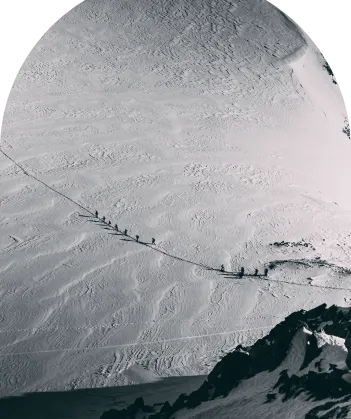
The Rise of Mountaineering in Chamonix
Founded in the early 19th century, the Chamonix Guides Company is today considered the oldest mountain guide company in the world still in operation. It originated in this very valley, among the same generation of mountaineers who turned exploration into a profession. In the wake of this, the late 19th century saw an influx of a cosmopolitan clientele, fascinated by the peaks and the spirit of adventure that reigned in the valley, including many Britons who played an active role in the rise of modern mountaineering.

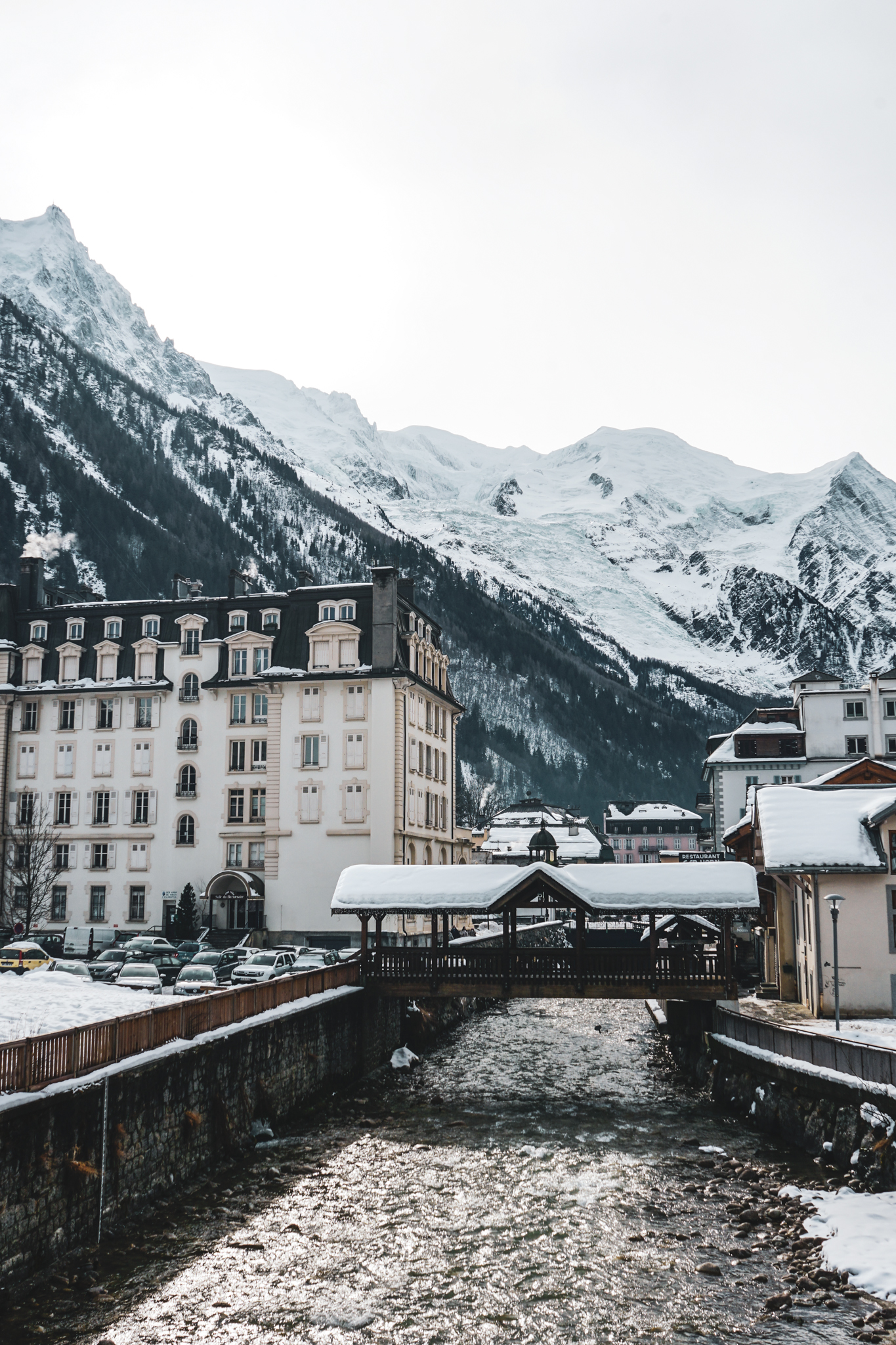

On February 5, 1924, Chamonix hosted the very first Winter Olympic Games in history. This event firmly established the valley as a mecca for sports and mountaineering, at a time when the resort was just beginning to develop its winter tourism industry, in addition to its already well-established summer mountaineering scene.
From the first climbing expedition in 1786 to the first Winter Olympics in 1924, Chamonix has established itself as a place where people come to try something new, rather than follow a well-trodden path. It was precisely this spirit that, at the end of the 19th century, drew a cosmopolitan clientele—notably British—to the valley, bringing with them a love of travel and tales of exploration.
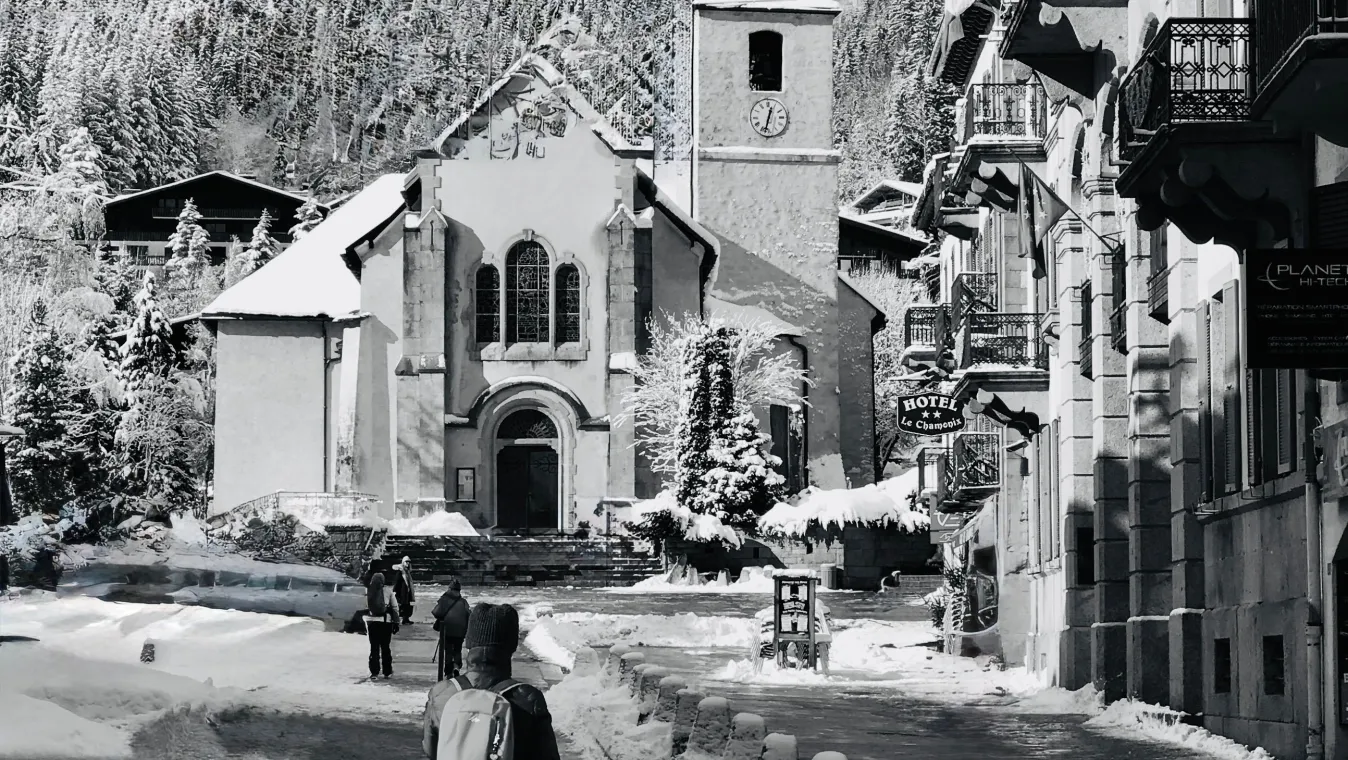
Among these adventurers who came to Chamonix in search of a terrain that would satisfy their curiosity, one figure stands out: Elizabeth Le Blond. Born Elizabeth Hawkins-Whitshed in Ireland in 1860, she documented more than 100 first ascents during her lifetime, including two complete ascents of Mont Blanc, before climbing 33 mountains in Lapland and Norway. She is also considered a pioneer of “manless climbing”—climbing without a male guide—at a time when this practice was still exceptional for a woman. As a photographer and filmmaker, she documented the very mountains she climbed, producing approximately 400 published photographs and about ten mountain films beginning in 1881.
On August 8, 1786, Jacques Balmat and Michel Paccard accomplished a feat considered the founding moment of modern mountaineering.
On February 5, 1924, for the very first Winter Olympics in history.
The development of the railroad brought the Alps closer to the major European capitals, attracting a cosmopolitan clientele fascinated by the mountain peaks, including many British people who were instrumental in the rise of modern mountaineering.
An Irish mountaineer and photographer, born in 1860, who documented more than 100 first ascents and two complete ascents of Mont Blanc, thus playing a direct role in the valley’s pioneering history.
Lizzie is named after Elizabeth Le Blond: the hotel, located at the foot of the Chamonix glaciers, has made her spirit of exploration and curiosity the founding values of the establishment.