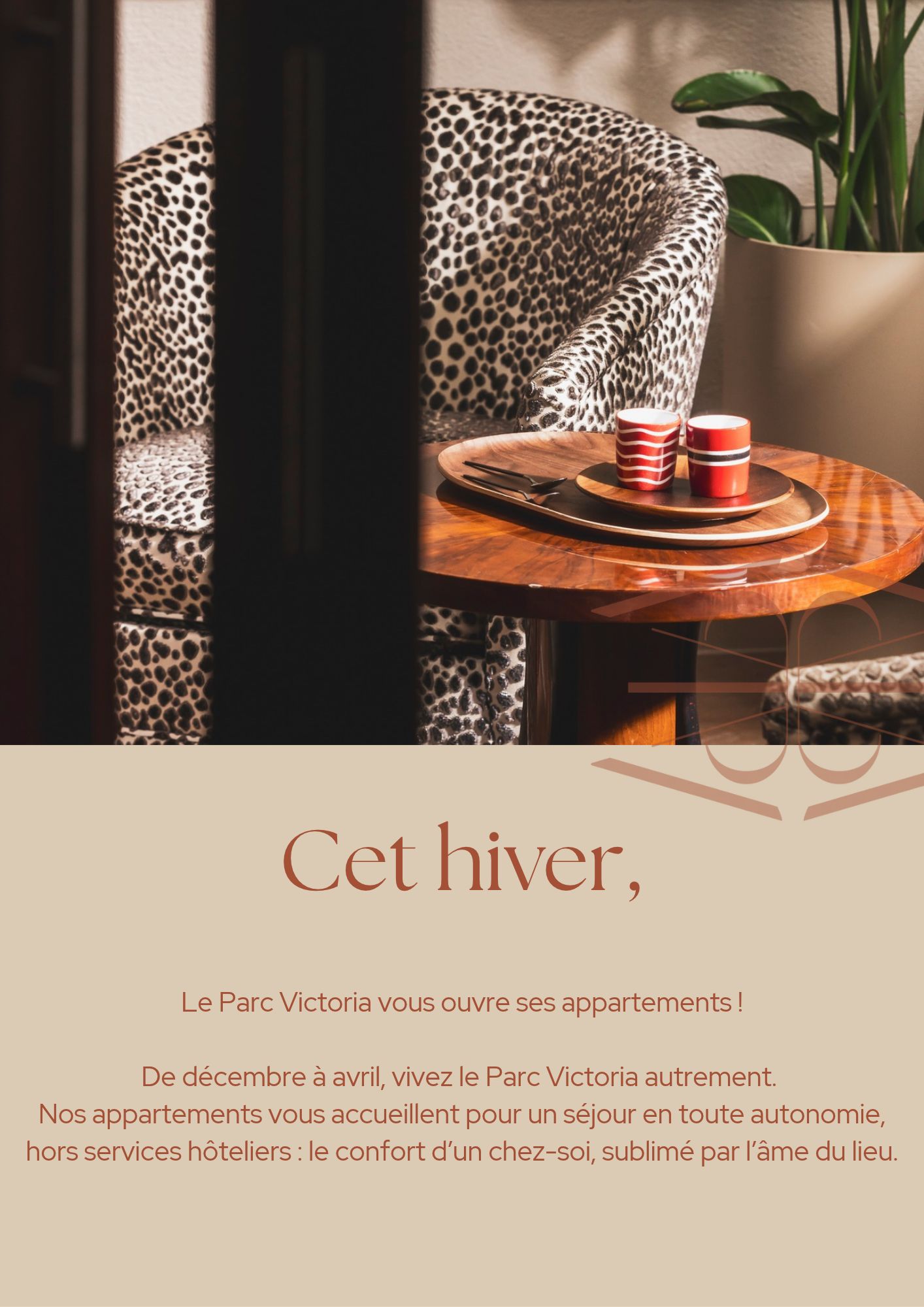



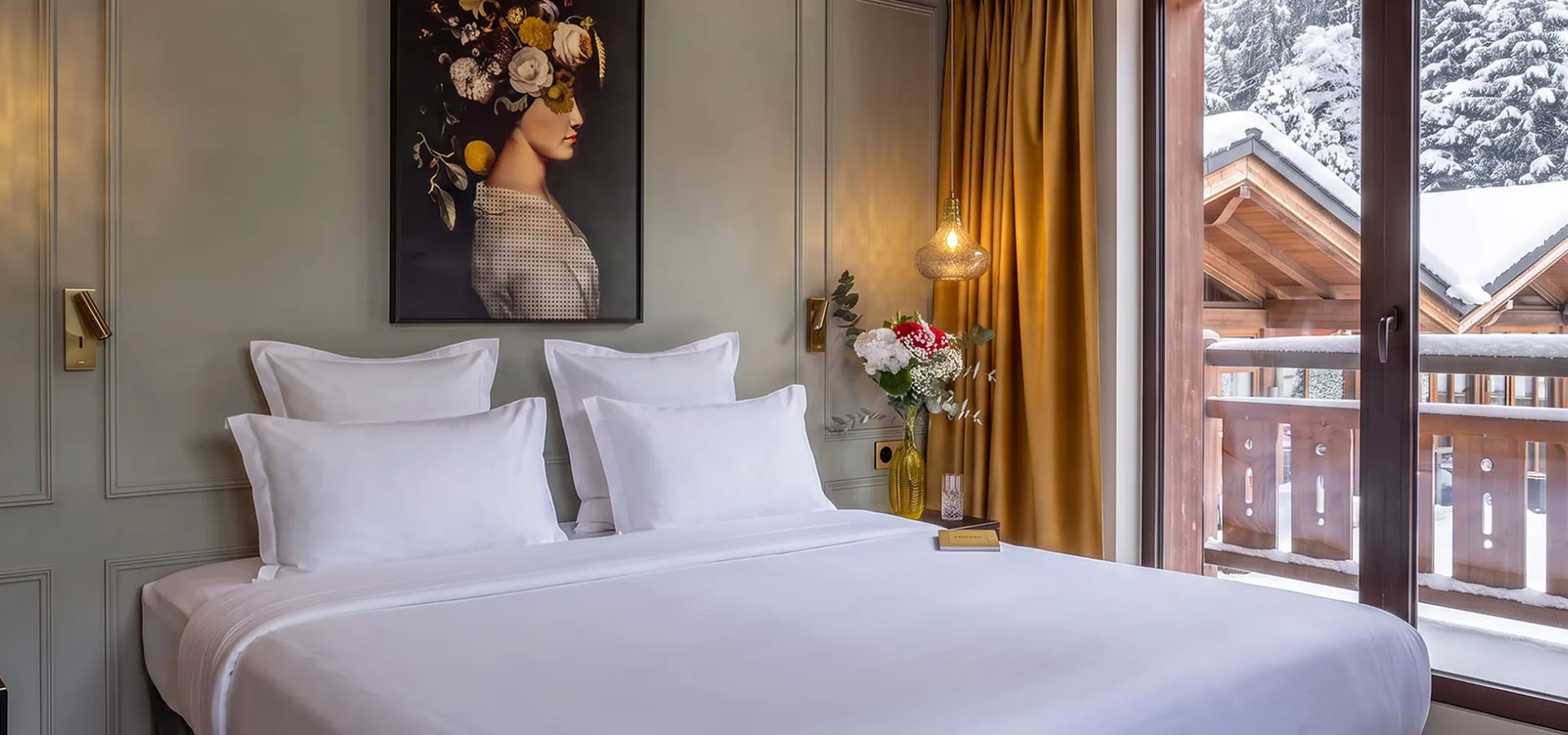
The Decor and Furnishings at the Lizzie Hotel in Chamonix
Elizabeth Le Blond, the mountaineer after whom the Lizzie Hotel is named
Before discussing the objects, we must first understand who the hotel is named after. Lizzie is the nickname of Elizabeth Le Blond, born Elizabeth Hawkins-Whitshed in Ireland in 1860. A mountaineer and photographer, she documented more than 100 first ascents during her lifetime, including two complete ascents of Mont Blanc, before spending some 20 years climbing in Switzerland and then scaling 33 mountains in Lapland and Norway, with 27 first ascents to her credit.
As a photographer, she developed and printed her own negatives, with approximately 400 photographs published, and made at least ten mountain films beginning in 1881, making her one of the very first female filmmakers of her time.
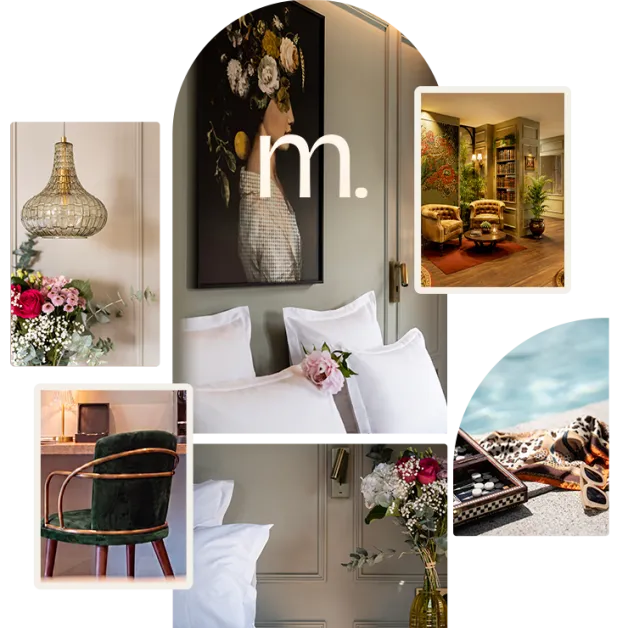
In Lizzie’s salons, the moldings, woodwork, and paintings all contribute to a single vision: to make the hotel a living space rather than a recreated setting. Each element bears the mark of its era—the Alpine Belle Époque—and reinterprets it for today, rather than preserving it in a static form. This approach directly carries on the spirit of Elizabeth Le Blond: a woman who was not content merely to climb peaks, but who documented them, photographed them, and kept records of them so she could share her stories with others.
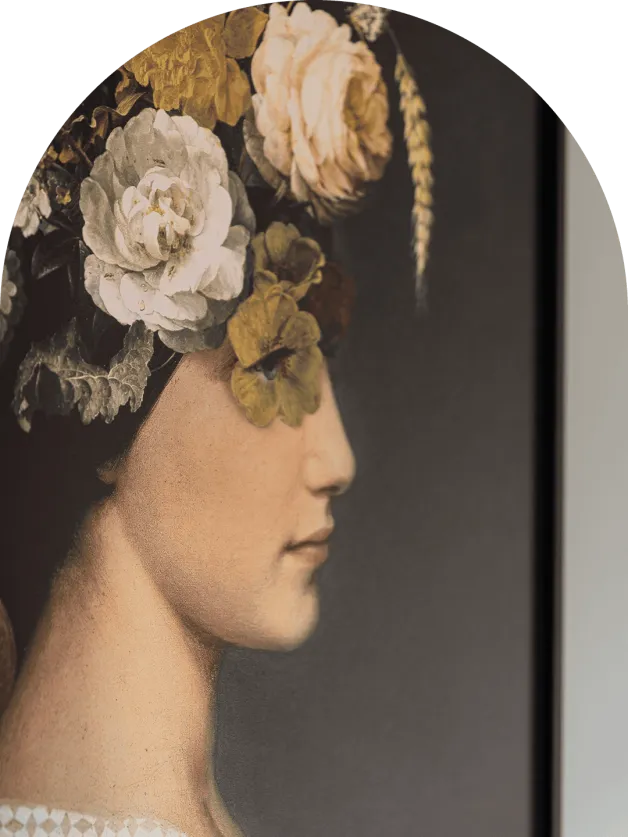
Lizzie’s Victorian interiors are also centered around bookcases, botanical motifs, and carefully selected objects, directly echoing the love of travel and curiosity that drove late-19th-century travelers, including Elizabeth Le Blond herself. As she climbed in Switzerland, Lapland, and Norway, this cultured and curious woman already embodied the blend of exploration and knowledge that the hotel’s libraries seek to evoke today. These elements are not merely decorative touches: they extend, in the details, the spirit of exploration that gave the hotel its name.


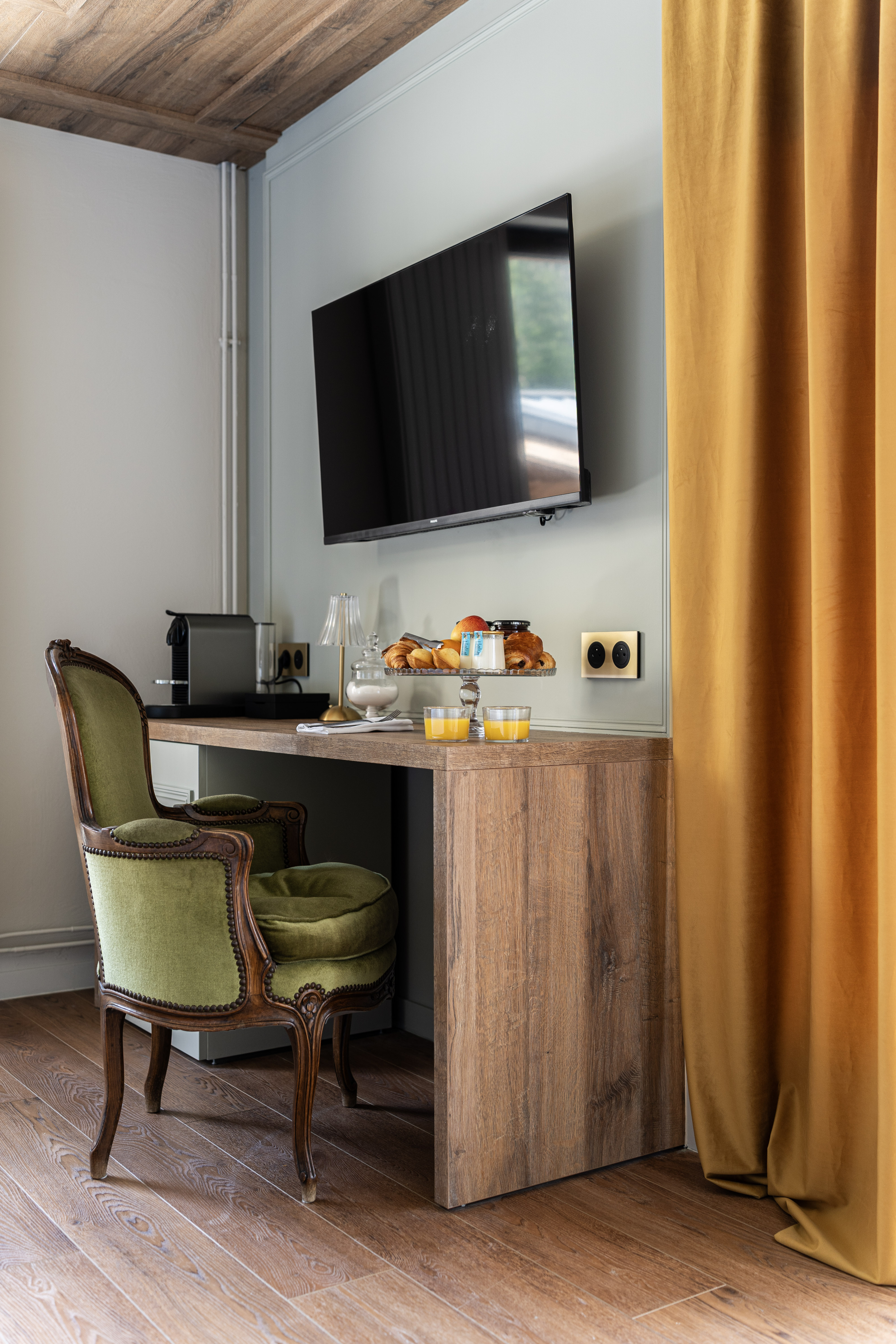
In Lizzie’s photographic world, close-up details take precedence over clinical staging: a molding, a pattern, or an object, photographed up close, often tells more than an overview of the living room. This editorial choice directly echoes the work of Elizabeth Le Blond herself, who developed and printed her own negatives rather than simply bringing back travel souvenirs. It’s a way of showing rather than explaining, consistent with the brand’s preference for evoking a place rather than promoting it.
Book your stay at the Lizzi Hotel now
Immerse yourself in the elegance of the Belle Époque at the foot of Mont Blanc.
A photographer, traveler, and mountaineer of Irish descent, born in 1860, known for her numerous first ascents and her pioneering work in photography and mountain film.
The facility is named after Elizabeth Le Blond, a name chosen to embody the spirit of exploration, curiosity, and daring of this 19th-century mountaineering pioneer.
She documented more than 100 first ascents during her lifetime, including two complete ascents of Mont Blanc.
Yes: she developed her own negatives, had about 400 photographs published, and made at least ten mountain films starting in 1881, making her one of the very first female filmmakers.
No: the hotel does not seek to recreate that era, but rather to bring its energy and pioneering spirit to life through its architecture and atmosphere.
When you choose Lizzie, you're choosing architecture steeped in history: an immersion in a bygone era and atmosphere, rather than just a hotel stay.